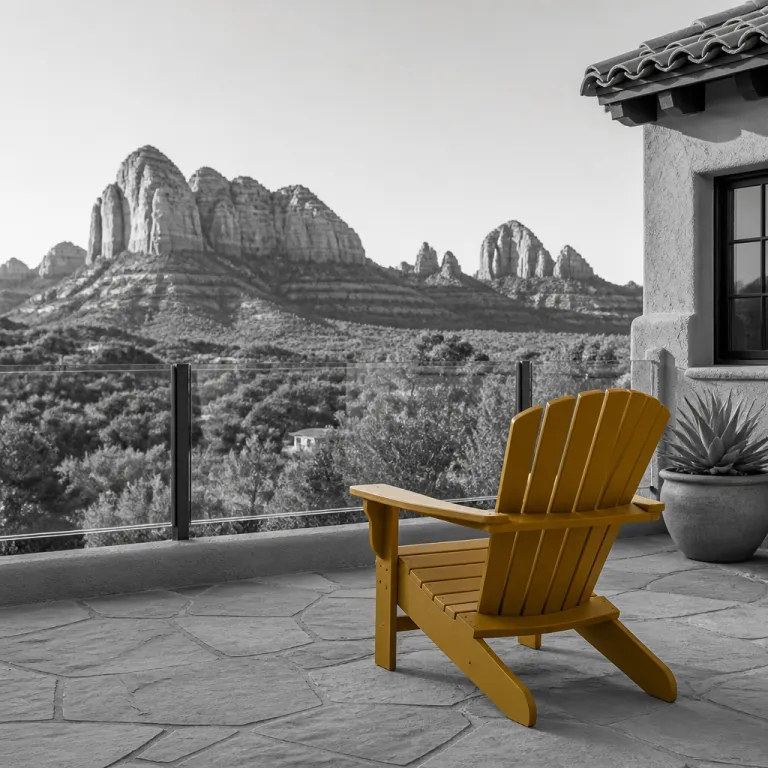
How seasons shape the best time to visit Sedona for hotel stays
Choosing the best time to visit Sedona starts with understanding how sharply the seasons change across this compact desert canyon city. Spring and fall bring the most balanced weather, when daytime temperatures usually sit in a comfortable range and the famous red rocks glow under softer light. For anyone planning a Sedona vacation with hotel bookings, this is often the ideal window because you can enjoy long hiking days, relaxed evenings, and a wide choice of rooms before the very peak weekends fill.
Local tourism data from the Sedona Tourism Board confirms that spring and fall see the highest visitor numbers, which means more energy in town but also higher demand for hotels and vacation rentals near the main red rock viewpoints.1 Their travel advisory notes that “Spring and fall offer mild weather and vibrant scenery,” which aligns closely with what hoteliers report about guest satisfaction during these shoulder months. When you visit during these periods, you will find that sunrise over each red rock formation, from Bell Rock to Cathedral Rock, feels gentle enough for early hikes yet warm enough for poolside afternoons back at your hotel.
Summer and winter create a very different rhythm, and that rhythm matters when you choose your time to visit and your preferred style of stay. Summer brings higher temperatures and clearer skies, while winter brings cooler air, quieter streets, and occasional snow dusting the red rocks. For travelers who value space, calm lobbies, and easier last minute bookings, these seasons can be Sedona’s best kept secret for a more contemplative trip.
Spring in Sedona: mild weather, red rock trails, and rising demand
Spring is widely regarded by hoteliers as the best time to visit Sedona if you want a balance of comfort, scenery, and access to outdoor activities. Average daytime temperatures climb into the mid teens to low twenties Celsius (about 60–75 °F), which makes long hiking days on the major trails feel manageable even for less experienced walkers.2 This is when the red rock landscape around Bell Rock, Cathedral Rock, and Devil’s Bridge looks especially vivid, and when many guided tours and canyon excursions operate at full capacity.
Because this season is so popular, the best hotels and vacation rentals in Sedona often sell out around weekends, especially near Oak Creek and in the Village of Oak Creek area. Industry reports suggest that average nightly rates in March and April can run 15–30% higher than winter lows, with occupancy frequently above 80% on peak dates.3 If you plan to visit in spring, book your room at least several weeks in advance and consider flexible dates to secure the best time and rate combination. Many guests choose properties along the creek or with direct views of the red rocks, so inventory for those premium rooms can tighten quickly as the season progresses.
Spring also brings some of the most pleasant weather for exploring Slide Rock State Park, the Verde Valley vineyards, and the scenic drives toward the Grand Canyon. Day tours to the Grand Canyon from Sedona run frequently in this season, allowing you to base your entire trip in one hotel while still reaching the larger canyon region. For travelers comparing the best time of year to combine hiking, photography, and comfortable evenings on a terrace, spring consistently ranks as one of the top options.
Summer in Sedona: heat, value, and timing your outdoor activities
Summer in Sedona brings intense sun, higher temperatures, and a very different pattern of hotel demand that can work in your favour. Average highs reach well above 30 degrees Celsius (mid 80s to high 90s °F), especially in July when the Sedona Tourism Board cites typical maximums close to 36 °C (about 97 °F), so your time outdoors needs careful planning.2 For hotel guests who can rise early or explore in the evening, this season can still be one of the best times to enjoy quieter trails and more competitive room rates.
Because some travelers avoid the heat, many hotels and vacation rentals in Sedona offer attractive packages that combine pool access, spa treatments, and shaded terraces with views of the red rocks. The official visitor data notes that “Summer sees fewer crowds due to higher temperatures,” and hoteliers confirm that midweek stays in this season often deliver strong value for longer trips.1 Sample figures from regional lodging reports show that average nightly rates in July and August can sit 10–20% below spring and fall peaks, with occupancy dipping into the 60–70% range outside holiday periods.3 If you visit in summer, schedule your hiking around sunrise or late afternoon, then retreat to your air conditioned room or a riverside spot along Oak Creek during the hottest part of the day.
Summer is also a practical time of year for families who need school holiday dates and want to pair Sedona with the Grand Canyon or the Verde Valley wine region. Many day tours depart early, reach the canyon rim before midday heat peaks, and return you to your hotel in time for an evening swim or dinner with a red rock backdrop. For some travelers, that combination of lower crowds, flexible outdoor activities, and hotel value makes summer an underrated season, provided you respect the weather and hydrate carefully.
Fall in Sedona: golden light, cooler temperatures, and peak hotel interest
Fall is often the answer when guests ask hoteliers about the single best time to visit Sedona for both comfort and atmosphere. By September and October, daytime temperatures ease back into the low to mid twenties Celsius (roughly 70–77 °F), and the light over every red rock formation becomes softer and more golden.2 This is when hiking trails around Bell Rock, Cathedral Rock, and Devil’s Bridge feel especially inviting, and when many travelers extend their Sedona vacation by a day or two simply to linger.
Hotel managers report that fall weekends can be among the busiest of the year, particularly during foliage peaks along Oak Creek and in the Verde Valley. The Sedona Tourism Board notes that the average high in October sits in the mid twenties Celsius (around the mid 70s °F), which many guests consider ideal for combining long hikes with relaxed evenings on a balcony or patio.1,2 Lodging data indicates that October often rivals April for the highest occupancy, with popular properties frequently selling out and average nightly rates 20–35% above low season baselines.3 If you plan to visit in fall, secure your preferred room type early, especially if you want direct red rock views or proximity to the Village of Oak Creek area and its trailheads.
Fall also offers some of the clearest skies for stargazing, which many hotels now highlight as part of their outdoor activities programming. After a day exploring Slide Rock, the canyon overlooks, or guided tours toward the Grand Canyon, you can return to a quiet terrace and watch the stars rise over the red rocks. For travelers who value both natural drama and refined hotel experiences, this season often becomes their personal best time of year, and many return during the same weeks annually.
Winter in Sedona: quiet stays, lower prices, and rare snow on the red rocks
Winter in Sedona transforms the city into a calmer, more reflective destination that appeals strongly to certain hotel guests. Daytime temperatures are cooler, often in the single digits to low teens Celsius (about 40–55 °F), yet the sun still shines frequently enough to keep many trails open and accessible.2 The Sedona Tourism Board confirms that “Winter is less crowded with cooler temperatures,” and that occasional snow creates unique views when white dusts the red rocks and canyon walls.1
For travelers focused on value and tranquility, this can be the best time to visit Sedona because hotel rates often soften and availability improves, even at properties with prime red rock vistas. Many vacation rentals and smaller lodgings offer extended stay discounts in winter, which suits guests who want a longer Sedona vacation with space to work remotely or simply rest. Sample figures from regional booking platforms show that January and early February can run 20–40% below peak nightly averages, with occupancy sometimes dropping under 60% outside holiday periods.3 When you visit in this season, you can often secure rooms near Oak Creek, the Village of Oak Creek area, or key trailheads that would be fully booked in spring or fall.
Winter also changes how you plan your outdoor activities, but it does not end them, since Sedona is a year round destination. Shorter hiking days encourage earlier starts on routes to Bell Rock, Cathedral Rock, or Devil’s Bridge, followed by afternoons in spas, tasting rooms, or hotel lounges with canyon views. For some visitors, that rhythm of crisp morning hikes, quiet midday breaks, and clear night skies makes winter their unexpected favourite season for a restorative trip.
Aligning your hotel choice with Sedona’s seasonal travel trends
Understanding seasonal travel trends is essential when you decide on the best time to visit Sedona and the right hotel for your style. Spring and fall bring the highest visitor volumes, which means more energy in restaurants and on trails but also more competition for rooms with direct red rock views. In contrast, summer and winter offer lower crowd levels, more flexible booking windows, and often better value, especially for longer trips or guests who prioritize spa time over midday hiking.
When you plan your visit, start by listing your priorities, whether that is hiking Cathedral Rock at sunrise, swimming at Slide Rock, or joining day tours to the Grand Canyon and the wider Verde Valley. If outdoor activities are central to your Sedona vacation, choose a hotel close to major trailheads such as Bell Rock or Devil’s Bridge, and match your season to your heat tolerance and fitness level. Guests who prefer cooler temperatures and quieter lobbies often favour winter or the very edges of spring and fall, while those who enjoy lively pool scenes and late sunsets may find summer the best fit for their Sedona stay.
To make the choice more concrete, consider a few sample approaches. A March or April long weekend might focus on red rock hikes, Slide Rock, and a single day trip to the Grand Canyon, with a midrange hotel near Uptown for easy dining. A July family week could combine early morning trails, pool afternoons, and Verde Valley wine country drives, using a resort with strong summer discounts. An October escape might centre on foliage along Oak Creek, golden hour photography, and stargazing from a balcony at a boutique inn. Local hoteliers and the Sedona Tourism Board use real time data from weather services and visitor surveys to refine their advice on the best time of year to stay, tracking how temperatures, trail conditions, and crowd levels shift across each season so that every visit feels tailored rather than generic.1,2 When you align your booking window, room type, and planned outdoor activities with these patterns, you turn a simple trip into a carefully timed experience that makes the most of Sedona all year round.
Key figures on Sedona seasons and visitor patterns
- The Sedona Tourism Board reports an average high temperature of about 18 °C (around 64 °F) in March, which supports longer hiking days and makes early spring one of the best time periods for first time visitors.1,2
- Average high temperatures in July reach roughly 36 °C (about 97 °F), encouraging travelers to schedule outdoor activities at the start or end of the day and to choose hotels with pools or easy access to Oak Creek.1,2
- In October, average highs sit near 25 °C (around 77 °F), a range many guests describe as ideal for combining canyon tours, red rock photography, and comfortable evenings on hotel terraces.1,2
- Visitor surveys compiled by the Sedona Tourism Board show increased tourism in both spring and fall, a steady rise in summer visits despite the heat, and growing interest in winter stays for quieter Sedona vacation experiences.1
- Official guidance from local tourism authorities and the National Weather Service for Northern Arizona states that March to May and September to November generally offer the best weather, which aligns with hotel occupancy peaks and higher demand for vacation rentals across the region.2,3
FAQ about the best time to visit Sedona for your stay
What is the best month to visit Sedona for comfortable weather and hotels
According to the Sedona Tourism Board, March to May and September to November offer the best weather, which is why many travelers choose these months for hotel stays.1 During these periods, temperatures are mild enough for long hiking days on the red rock trails while still allowing relaxed evenings on balconies or by the pool. Because demand is high, booking early is essential if you want specific views of Bell Rock, Cathedral Rock, or the wider canyon landscape.
Is Sedona crowded in the summer, and how does that affect hotels
The Sedona Tourism Board notes that “Summer sees fewer crowds due to higher temperatures,” which means hotels often have more availability and sometimes better rates.1 While the heat can limit midday hiking, many guests adapt by planning early morning or evening outdoor activities and spending the hottest hours enjoying pools, spas, or shaded terraces. For value focused travelers, this can be one of the best time windows to visit Sedona and still enjoy the red rocks with less competition for rooms.
Does Sedona get snow in winter, and is it a good season for a stay
Official guidance confirms that Sedona does occasionally receive snow in winter, and the tourism board describes this as a rare but striking effect that provides unique red rock views.1,2 When snow falls, it highlights every curve of the red rocks and canyon walls, creating memorable views from hotel rooms and lounges. Winter also brings lower visitor numbers, cooler temperatures, and often more flexible booking options, which many guests appreciate for a quieter Sedona vacation.
How far in advance should I book a hotel for peak seasons in Sedona
For spring and fall, which are widely considered the best time to visit Sedona, it is wise to book several weeks or even months ahead, especially for weekends. Properties with direct views of Bell Rock, Cathedral Rock, or Oak Creek tend to sell out first, as do vacation rentals near major trails. Early booking ensures you can match your preferred season, room type, and access to outdoor activities without compromising on location.
Is Sedona a good base for visiting the Grand Canyon and Verde Valley
Sedona is an excellent year round base for day tours to the Grand Canyon and for exploring the Verde Valley wine region, and many visitors choose hotels here for that reason. Spring and fall offer the most comfortable temperatures for combining canyon viewpoints with hikes on Sedona’s red rock trails, while summer and winter provide quieter roads and more flexible tour availability. By timing your stay around your planned excursions, you can enjoy both the dramatic canyon landscapes and the refined comforts of local hospitality in a single trip.
References
- 1 Sedona Tourism Board – visitor statistics, seasonal guidance, and crowd level summaries
- 2 National Weather Service for Northern Arizona – temperature averages, climate data, and seasonal weather patterns
- 3 Arizona Office of Tourism and regional lodging reports – hotel rate trends, occupancy estimates, and travel recommendations
