How slide rock state park sedona shapes your hotel choice
Slide Rock State Park in Sedona is not just another scenic stop. This compact state park in Oak Creek Canyon, north of Sedona, Arizona, directly influences where it makes sense to book your room. For travellers who care about easy access to natural rock pools and a famous water slide, choosing accommodation with quick road links to this Slide Rock corridor is often the best strategic move.
The park sits along Oak Creek, about 7 miles north of central Sedona, in a narrow canyon carved through layers of red rock and pale limestone. Because the recreation area is small and parking fills early, staying in Sedona, Arizona rather than farther south or near a distant lake or river can mean the difference between a relaxed morning and a stressful dash. Hotels in West Sedona and Uptown Sedona offer the most direct access to State Route 89A, which follows the creek canyon and brings you to the park entrance at 6871 North State Route 89A.
For guests planning multiple days of swimming and hiking, proximity to Slide Rock State Park matters more than a marginally cheaper rate. You will drive this red rocks corridor repeatedly if you intend to visit the slide more than once, so cutting even a few kilometres from each journey quickly adds up. When you compare properties, treat travel time to this state park as a core amenity, just like a pool or spa.
Understanding the landscape: creek canyon, red rocks and water
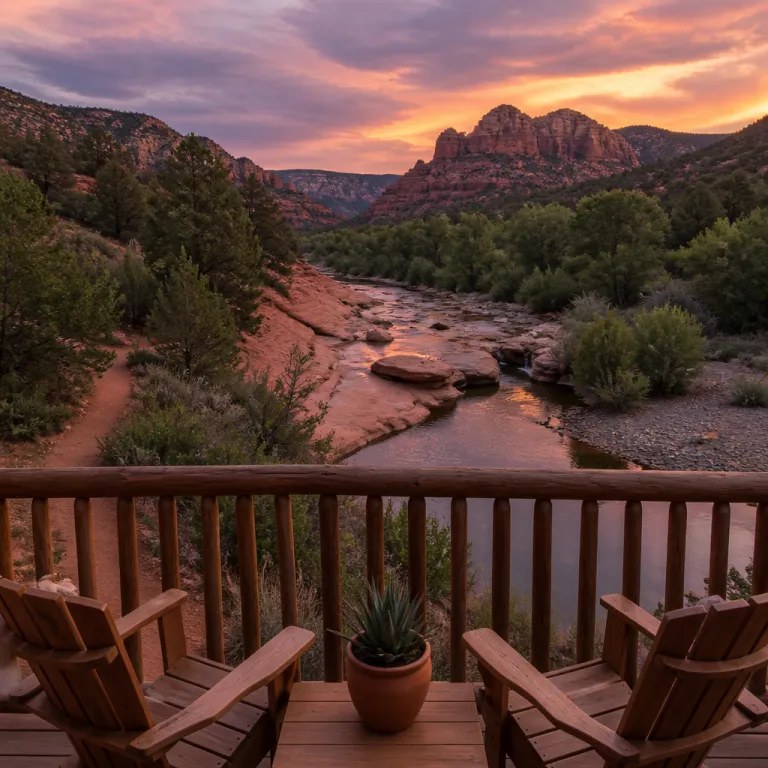
The character of Slide Rock State Park Sedona is defined by three elements: rock, water and light. Oak Creek slices through the canyon, creating a natural rock channel that functions as a water slide in summer and a reflective ribbon in cooler months. Around it, sheer walls of red rock and pockets of green oak and sycamore trees create a microclimate that feels far removed from the open desert of central Arizona state.
Because the park lies within Oak Creek Canyon, which is part of Coconino National Forest, you are technically moving between state park management and national forest oversight as you drive. Arizona State Parks & Trails manages park operations while the United States Forest Service co-manages the surrounding land, and this partnership keeps the creek area remarkably clean for such a popular swimming destination. The result is a rare combination of easy access, clear water and rugged canyon scenery that rivals some viewpoints on the road to the Grand Canyon.
For hotel guests, this landscape has practical implications that go beyond pretty views. Temperatures in the creek canyon can be several degrees cooler than in Sedona, Arizona, so packing layers and quick-drying clothing is wise even in peak swimming season. If you value sunrise light on red rocks or quieter river sounds, consider a property with canyon or creek access elsewhere along Oak Creek, then drive to the state park for your main water slide sessions.
Planning your day: swimming, hiking trails and seasonal flow
Slide Rock State Park Sedona is best known for its smooth sandstone water slide, but the experience extends well beyond a single chute. The main slide rock channel runs through a stretch of natural rock where algae and constant water flow have polished the surface into a slick run, creating one of Arizona’s most memorable swimming areas. Upstream and downstream, calmer pools and short cascades offer quieter river corners for families who prefer wading to full-speed sliding.
Several short hiking trails branch from the main day-use area, including routes that climb above the creek canyon for views of the red rocks and the wider Oak Creek corridor. None of these paths are long in absolute distance, yet the combination of uneven rock surfaces, summer heat and frequent stops for photos means you should allow generous time. If you are staying in a hotel closer to Uptown Sedona or West Sedona, plan to arrive at the state park early, enjoy the water slide and trails before midday, then retreat to your pool or spa when the sun is highest.
Water levels in Oak Creek vary by season, which subtly changes the feel of the Slide Rock experience. Spring snowmelt from higher country north of Sedona, Arizona can make the river faster and colder, while late summer often brings warmer water but shallower channels. Ask your hotel concierge about current creek conditions, because local staff track how the swimming holes, rock ledges and access points evolve week by week.
The pendley homestead story and what it means for where you stay
Long before Slide Rock State Park Sedona became a recreation magnet, the Pendley Homestead operated as a working apple farm on this stretch of Oak Creek. Remnants of the Pendley Homestead, including historic buildings and orchard rows, still stand within the state park, giving the area a cultural layer that complements its natural rock drama. Walking through these structures after time on the water slide offers a quiet counterpoint to the rush of swimming and cliff jumping.
For travellers choosing a hotel, this blend of history and landscape suggests a deeper subject than simple proximity. Properties that interpret local heritage, whether through artwork of red rocks and canyon scenes or partnerships with Arizona State Parks & Trails, tend to attract guests who value context as much as comfort. When you read hotel descriptions, look for references to Oak Creek, creek canyon views, or collaborations with park rangers, because these signals often indicate a stronger connection to the Slide Rock story.
The homestead narrative also shapes how you might structure your days. One morning, you could focus on the agricultural past, touring the Pendley Homestead buildings and learning how irrigation from the river supported orchards in this arid part of Arizona. Another day, you might prioritise the natural rock formations and swimming holes, returning to your room in Sedona, Arizona each afternoon with a richer sense of place than a simple list of hikes and slides could provide.
Choosing the best hotel areas for slide rock access
Not every part of Sedona offers the same convenience for reaching Slide Rock State Park Sedona. If daily or repeated visits to the state park are central to your trip, focus on hotels in Uptown Sedona or the northern edge of West Sedona along State Route 89A. These areas minimise driving time through traffic lights and give you a head start on the winding climb into Oak Creek Canyon, which is crucial when parking at the park fills early.
Guests who prefer a quieter base can look at small properties and cabins scattered along Oak Creek south of the main park, where the sound of the river replaces road noise. From these creekside locations, you can still visit Slide Rock by car in under half an hour, then return to more secluded stretches of water for evening walks. If you are tempted by resorts closer to the Grand Canyon corridor or by lake-focused destinations elsewhere in Arizona state, remember that those options add significant driving time and reduce your flexibility for spontaneous slide sessions.
When comparing hotels, pay attention to how staff describe access to hiking trails, red rock viewpoints and creek canyon overlooks. A property that regularly arranges early shuttles or shares detailed guidance about state park regulations is usually more attuned to the rhythms of Slide Rock and Oak Creek. Ask specific questions about drive times in kilometres, parking tips and the best hours to swim, rather than relying on vague claims of being “near the park”.
Practical tips from a hotel base: timing, safety and comfort
Staying in Sedona, Arizona while focusing on Slide Rock State Park Sedona allows you to fine-tune timing in ways day trippers cannot. Arrive early to secure parking, wear water shoes for safety, and check weather before visiting. Those three official recommendations from park managers align perfectly with a hotel-based strategy that emphasises comfort and safety.
Because the park area is compact and annual visitors now exceed two hundred seventy thousand people, crowd patterns are predictable. Early morning and late afternoon usually offer the best balance of space on the natural rock ledges, gentler sun on the water and easier access to the main water slide channel. Use the middle of the day to return to your room, enjoy hotel pools or spas and explore other state parks or national forest viewpoints around Sedona, rather than standing in queues at the park entrance.
Pack as if you were heading to both a river and a rocky hiking trail. Lightweight shoes with grip help on wet rock surfaces, while a compact dry bag protects phones and cameras from splashes in Oak Creek. Many hotels in park-facing Sedona districts now provide towels specifically for creek use, so ask at reception before you buy extra gear.
Key figures that matter for hotel guests near slide rock
- Annual visitors to Slide Rock State Park are reported at roughly 278,330 people according to recent Arizona State Parks & Trails data, which means crowd-aware timing from your hotel is essential during peak swimming months.
- The park covers about 43 acres, a relatively small area compared with many state parks, so nearby accommodation with flexible arrival times can significantly improve your experience of the limited creek frontage.
- Operating hours typically run from 8:00 to 19:00 in summer and 9:00 to 17:00 in cooler seasons, so hotels within roughly 11 miles north or south of the entrance give you the best chance to use the full day without rushed driving.
- Entrance fees are structured per vehicle, with higher rates in peak season, which makes it cost effective for families or groups sharing a room in Sedona, Arizona to travel together rather than arriving in separate cars.
FAQ about slide rock state park sedona and nearby hotels
What are the park's operating hours and how should I plan from my hotel?
What are the park's operating hours? The answer is simple: daily 8am–7pm (Jun–Aug); 9am–5pm other months, though hours can vary slightly by season. From most Sedona, Arizona hotels, you should allow at least 25 to 35 minutes to drive into Oak Creek Canyon, park, and walk down to the creek, so leaving shortly after opening gives you the calmest experience.
Is there an entrance fee and does my hotel stay affect the cost?
Is there an entrance fee? The official guidance states around $30 per vehicle in peak season and about $20 per vehicle in off season, regardless of where you stay. However, guests sharing a car from the same hotel can split the cost, making centrally located properties in Sedona districts attractive for groups planning multiple visits.
Are pets allowed in the swim area and what should hotel guests know?
Are pets allowed in the park? The clear rule is that pets are not allowed in the swim area, though they may be permitted on some trails and in certain sections when leashed. If you are travelling with animals, choose a pet-friendly hotel in Sedona, Arizona and plan non-swimming visits to the state park, or alternate days between creek canyon walks and other red rock hikes.
How early should I leave my hotel to secure parking at slide rock?
During busy periods, aim to leave your hotel at least one hour before the park opens, especially on weekends and holidays. This buffer accounts for traffic on the canyon road, queues at the entrance station and the short walk from the parking lot to the water slide area. Guests staying closer to the northern end of West Sedona or Uptown can sometimes shorten this window, but arriving early remains the safest strategy.
Can I combine slide rock with other nearby attractions from my hotel base?
Yes, many visitors pair a morning at Slide Rock State Park Sedona with afternoon stops at other red rock viewpoints, such as Cathedral Rock or Airport Mesa, all reachable from central hotels within short drives. Some travellers also use Sedona as a base for a long day trip to the Grand Canyon, though that journey is far longer than the quick run into Oak Creek Canyon. When planning, ask your concierge to help balance creek time, hiking trails and scenic drives so you are not spending your entire stay in the car.
Sources
Arizona State Parks & Trails; United States Forest Service; Sedona Chamber of Commerce & Tourism Bureau. Always confirm current hours, fees and regulations with official park managers before you travel, as details can change from season to season.
